Dr Rikheswar Thengal Saikia,
Retrd.Joint Director Health Dept.
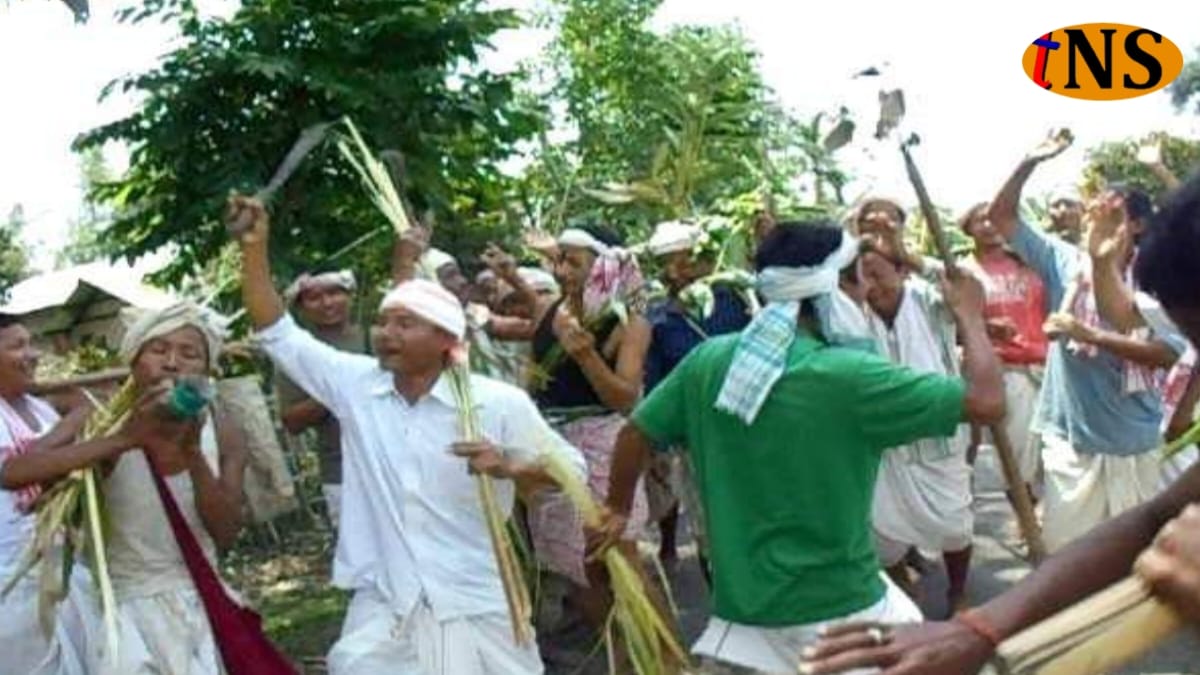
In the rich cultural landscape of Assam, where festivals like Rongali Bihu dominate public attention, there exists a lesser-known yet deeply meaningful celebration—Tara Sira Bihu. Celebrated by the indigenous Thengal Kachari community, this unique festival is a vibrant reflection of agrarian life, ecological harmony, and age-old traditions that have been preserved through generations (Tara Sira Bihu).
The Thengal Kacharis, a small ethnic group with a population of less than three lakh, have historically lived in close connection with agriculture and nature. Despite their deep-rooted heritage, the community today faces the challenge of cultural dilution, as many have gradually assimilated into the broader Assamese society. As a result, several traditional customs and practices risk fading into obscurity.
Tara Sira Bihu, however, continues to stand as a proud symbol of their identity—especially in pockets of Upper Assam such as Titabor and Merapani, where the festival is still celebrated in its original form with great enthusiasm and reverence.
A Festival Rooted in Nature and Faith :
The festival begins on the second Wednesday of the Assamese month of Chot (around mid-April). On this day, village elders, known as Bura Methas, venture into nearby forests and wetlands to collect Tara plants. Before cutting the plants, they offer prayers and sacrifices to forest deities, seeking blessings and protection.
As they gather the plants, traditional folk songs echo through the woods—songs that reflect joy, gratitude, and a deep spiritual connection with nature. Alongside the Tara plants, they also collect indigenous food items such as snails, crabs, and other wetland delicacies, which later form part of the communal feast.
Songs, Rituals, and Community Bonding :
Unlike mainstream Bihu celebrations, Tara Sira Bihu does not traditionally involve drums like the dhol. Instead, the rhythm is carried through hand claps, tokari, and bina, lending the festival a distinct musical identity.
After drying the Tara plants, the villagers weave them into sacred ropes known as Tara Pagha. These are prepared with ritualistic precision, often incorporating sacred herbs like tulsi and bhang. The following day, groups go from house to house distributing these ropes, singing Bihu songs and offering blessings for prosperity and well-being.
Each household welcomes them warmly, offering traditional rice beer (hereka) and local delicacies, turning the entire village into a space of shared joy and hospitality.
Sacred Connection with Livestock:
A significant aspect of the festival is its association with cattle, central to agrarian life. On Garu Bihu, the Tara Pagha is tied around the necks of cows after lighting incense and performing rituals. It is believed that this act protects livestock from diseases and ensures their health and productivity.
Cattle are bathed in rivers and ponds, and symbolic offerings of vegetables and herbs are made while chanting traditional verses—expressing hope for growth, strength, and abundance in the coming year.
Preserving a Cultural Treasure:
Tara Sira Bihu is more than just a festival—it is a living testament to unity, tradition, ecological awareness, and communal harmony. It embodies the Thengal Kachari community’s respect for nature and their collective spirit.
However, due to limited awareness and lack of wider promotion, this cultural gem remains largely unknown to many across Assam. There is an urgent need to document, celebrate, and preserve such indigenous traditions—not only for the community itself but also as a valuable contribution to Assam’s diverse cultural heritage.
As Assam continues to embrace modernization, festivals like Tara Sira Bihu remind us of the importance of staying connected to our roots. With greater recognition and support, this beautiful tradition has the potential to enrich the cultural mosaic of the state and inspire future generations.
Bordowa’s Doul — A Festival Born of Faith, Alive with Harmony