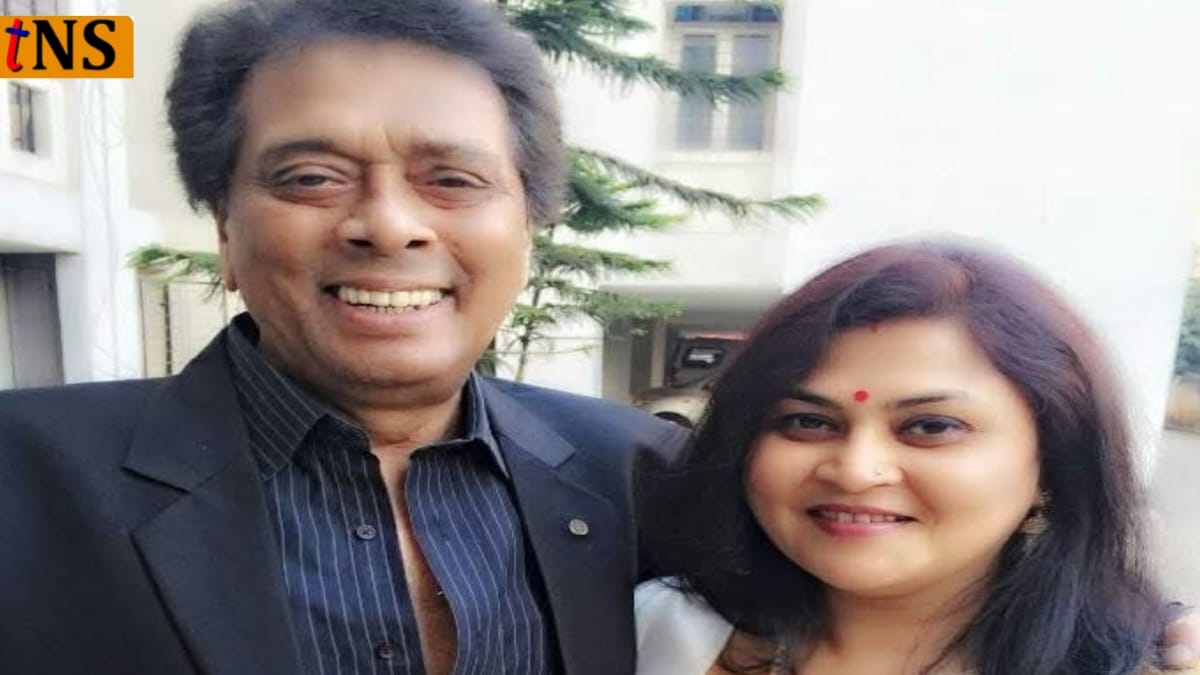
Nayan Jyoti Borah: Today marks the birth anniversary of Biju Phukan — the uncrowned emperor of Assamese cinema, whose familiar smile and expressive eyes captivated an entire era. Born on February 18, 1947, in Dibrugarh, this distinguished actor carried an aura of artistic elegance in every step of his journey. On his birth anniversary, we fondly recall his rich life story and his unparalleled contributions to Assam’s cultural landscape (Biju Phukan Birth Anniversary).
Biju Phukan: The Birth of a Legend
Biju Phukan’s birth name was Bijoy Phukan. Born into a respected family in Dibrugarh, he developed a natural attraction towards drama and acting from his childhood days. He completed his early education at Dibrugarh Government Higher Secondary Boys’ School and later graduated from the renowned DHSK College.
His acting career began in 1970 with Brajen Barua’s path-breaking film Dr. Bezbarua. Although his role in the film was limited, his expressive eyes and personality succeeded in drawing the attention of filmmakers of that time.
Acting Career
Biju Phukan was not just an actor; he was the “style icon” of Assamese cinema. He made his debut as a lead actor through Nip Barua’s film Baruar Sansar. However, it was the 1971 film Aranya that firmly established him as a full-fledged hero. The film won the National Film Award for Best Regional Film, and from then on, Biju Phukan became the darling of audiences.
He was never confined to one type of role. He effortlessly portrayed a wide range of characters. From social films like Aajoli Nabou, Bowari, Ghar-Sansar, and Mon-Mandir to serious and artistic films like Bhabendra Nath Saikia’s Agnisnaan and Jahnu Barua’s Aparupa, he demonstrated remarkable versatility in acting.
Apart from acting, he also ventured into direction. His directed film Bhai-Bhai achieved considerable commercial success.
The Magic on Screen and the Timeless Smile of “Mon Hira Dai”
“Mon Hira Dai, cycle nohoi tilinga…” — you have probably seen at least once in your life that iconic scene of a young man riding a bicycle with a lively smile while singing this song. From the elderly to today’s Gen Z generation, everyone has been enchanted by songs like “Mon Hira Dai” and “Dehei Jouwon Motir Laj Laj,” brought alive on screen by none other than Biju Phukan, the uncrowned emperor of Assamese cinema. He was not merely an actor; he was the style icon of Assamese films, whose screen presence mesmerized audiences.
Especially in the song “Mon Hira Dai” from the film Bowari, the spontaneity he displayed remains an unforgettable chapter in the history of Assamese cinema.
Biju Phukan did not limit himself to Assamese films; he also expanded his acting career to Bengali cinema with films such as Hotel Snow Fox, Aparajita, and Gajamukta. He also performed in several successful stage plays, notably Samay, Neta, and Captain Gogoi. His popularity was so immense that he is regarded as one of the most successful actors in the history of Assamese cinema. Later, he also became active in politics and contested from the Dibrugarh Lok Sabha constituency in 1999.
On November 22, 2017, at the age of 70, this great artist breathed his last. Though he is no longer physically among us, his timeless performances and his efforts to take Assamese cinema to the international stage will always be remembered. Biju Phukan was not just an actor; he was an emotion and an inseparable part of Assamese pride.
On his birth anniversary today, we, on behalf of The News Source, offer our deepest tributes to this legendary artist.
Jatin Bora and Zubeen Garg Close Chapter with Agnibaan