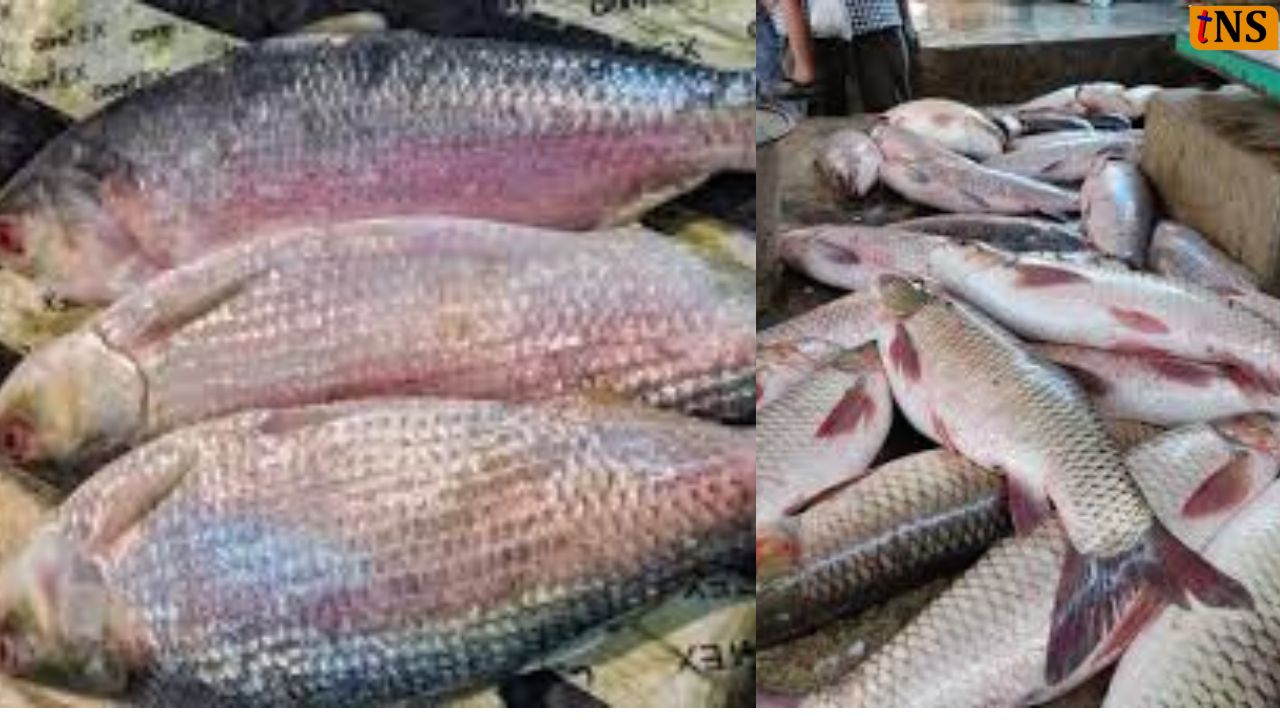
Meghalaya: The Government of India has been adopting a strict approach against illegal Bangladeshi infiltration. Security forces have been maintaining vigilant surveillance along the border to prevent infiltrators from entering India from Bangladesh (Bangladeshi Fish Ban in Meghalaya). Prime Minister Narendra Modi and Union Home Minister Amit Shah have, in several recent meetings, announced that infiltrators would be identified and deported.
However, this time, it is not only people — along with humans, the infiltration of Bangladeshi fish has also been banned by one Indian state.
Which State Has Imposed the Ban on Bangladeshi Fish?
A ban has been imposed on the entry of Bangladeshi fish in two districts of the neighboring state of Meghalaya. According to information, for a long time fish had been illegally transported from Bangladesh into India through border areas of the state. To stop this illegal supply, the Meghalaya administration has taken a strict decision.
Which Districts Will the Ban Be Enforced In?
The ban will be enforced in East Khasi Hills district and West Khasi Hills district of Meghalaya. Officials from the concerned departments stated to the media that the decision was taken keeping biosecurity and public health in mind.
The directive issued by the East Khasi Hills district administration states:
“Transportation, storage, and sale of fish illegally imported from Bangladesh without valid legal documents are prohibited in the district.”
A similar directive has been issued by the West Khasi Hills district administration.
Such Bangladeshi fish enter these two districts through various internal routes and market centers of Meghalaya.
The directive further states:
“Illegal transportation and entry of Bangladeshi fish violate government revenue, import-export regulations, and food safety laws. Moreover, the risk of entry of diseased or prohibited species of fish cannot be ruled out.”
It also mentions:
“The illegal, unregulated, and undocumented sale and distribution of these Bangladeshi fish pose serious threats to public health and sanitation. It negatively impacts the biosecurity of the local aquatic ecosystem. Additionally, it causes losses to lawful fish traders and the state government’s revenue, thereby harming the government financially.”
The order specifies that using any vehicle, vessel, boat, or other means to transport Bangladeshi fish without valid legal documents, as well as assisting or sheltering any individual or group involved in such illegal activities, will be considered an unlawful act. Anyone found involved in such activities will face strict action.
Bharatiya Nyaya Sanhita Sections to Be Enforced
The directive states that any person violating the order will be liable for action under Section 223 of the Bharatiya Nyaya Sanhita (BNS), 2023, along with the Customs Act, the Foreigners Act, the Passport Act, and other applicable legal provisions.
The district administration also informed that this prohibitory order has come into effect immediately and will remain in force until further notice.
Bangladeshi Hilsa Fish Popular in India
Bangladeshi hilsa fish is extremely popular in India. Every year, several thousand tonnes of hilsa fish enter India. Some of this import is legal, while some enters illegally. Hilsa is referred to as the “king of fish” in Bangladesh. Bangladesh is well known for fish exports, particularly for hilsa.
At one time, after breeding in the Bay of Bengal, the famous Padma River hilsa used to travel to Assam, especially to Morigaon and Mangaldoi districts.
1,200 Tonnes of Hilsa Fish Export Approved During Durga Puja
During Durga Puja last year, the export of 1,200 tonnes of hilsa fish from Bangladesh to India was approved. In 2024, 2,420 tonnes were exported, and in 2023, 3,950 tonnes of hilsa fish were exported from Bangladesh.
Hindu Businessman Beaten to Death in Bangladesh After Dispute Over Bananas, Three Detained