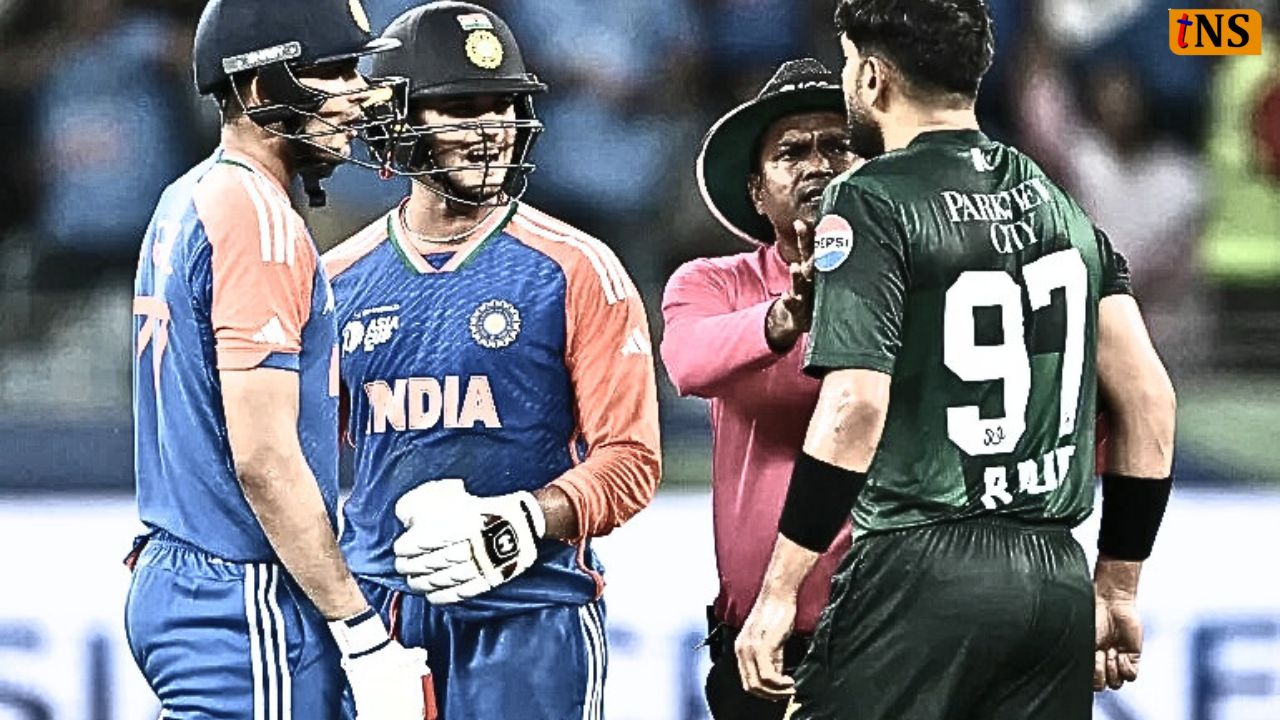
Sports Desk: The landscape of international cricket shifted abruptly following Pakistan’s startling announcement that it would abstain from its scheduled showdown against India in the upcoming T20 World Cup (Pakistan refuses India match). In the wake of this maneuver, the International Cricket Council (ICC) has moved decisively to clarify its position, a stance that has found immediate resonance with the Board of Control for Cricket in India (BCCI).
Genesis of the Conflict
The friction ignited when Pakistan utilized social media to broadcast a significant caveat to their tournament participation. While the Pakistani government has technically sanctioned the national squad’s involvement in the 2026 ICC T20 World Cup, this approval is tethered to a restrictive condition. Per the official government communiqué, Pakistan will not take the field for the high-octane encounter against India, originally slated for February 15, 2026.
The ICC’s Decisive Response
Initially, the ICC opted for a period of strategic silence, awaiting formal correspondence from the Pakistan Cricket Board (PCB). However, to dissolve the growing cloud of uncertainty, the governing body eventually released a formal statement.
While the ICC acknowledged that sovereign governments hold the right to dictate national policy, it emphasized that Pakistan’s “selective participation” fundamentally contradicts the ethos of global sportsmanship. The Council specifically articulated several growing concerns:
Tournament Equilibrium: Such abrupt withdrawals threaten the commercial and competitive balance of global events.
The Emotional Cost: The decision serves as a profound disappointment to millions of enthusiasts globally, including Pakistan’s own loyal fan base.
Structural Integrity: Because cricket relies on the bedrock of mutual cooperation and consistent participation, the idea of picking and choosing fixtures challenges the very architecture of international competition.
The Council has reiterated that every qualifying nation is expected to compete harmoniously according to the established schedule. Expressing hope that the PCB will contemplate the long-term ramifications for Pakistani cricket, the ICC noted it is still awaiting a formal, written explanation from the board.
BCCI Aligns with Global Leadership
Rajeev Shukla, Vice President of the BCCI, addressed the situation by affirming that the Indian board stands in total solidarity with the ICC regarding the preservation of the sporting spirit. He noted that refusing a group-stage fixture is behavior unbecoming of a participating nation.
”The BCCI mirrors the ICC’s view on the paramount importance of sportsmanship,” Shukla remarked.
He further clarified that the BCCI would reserve more detailed commentary until comprehensive discussions with the ICC are finalized.
The Shadow Over the Tournament
This standoff has cast a significant shadow over what is arguably the most anticipated rivalry in world sports. Should Pakistan indeed forfeit the February 15 match, it will likely trigger a firestorm of debate regarding point allocations, financial penalties, and the future of bilateral relations during ICC events held on neutral ground.
India U19 Beat New Zealand U19 by 7 Wickets (DLS) in Rain-Hit World Cup Match