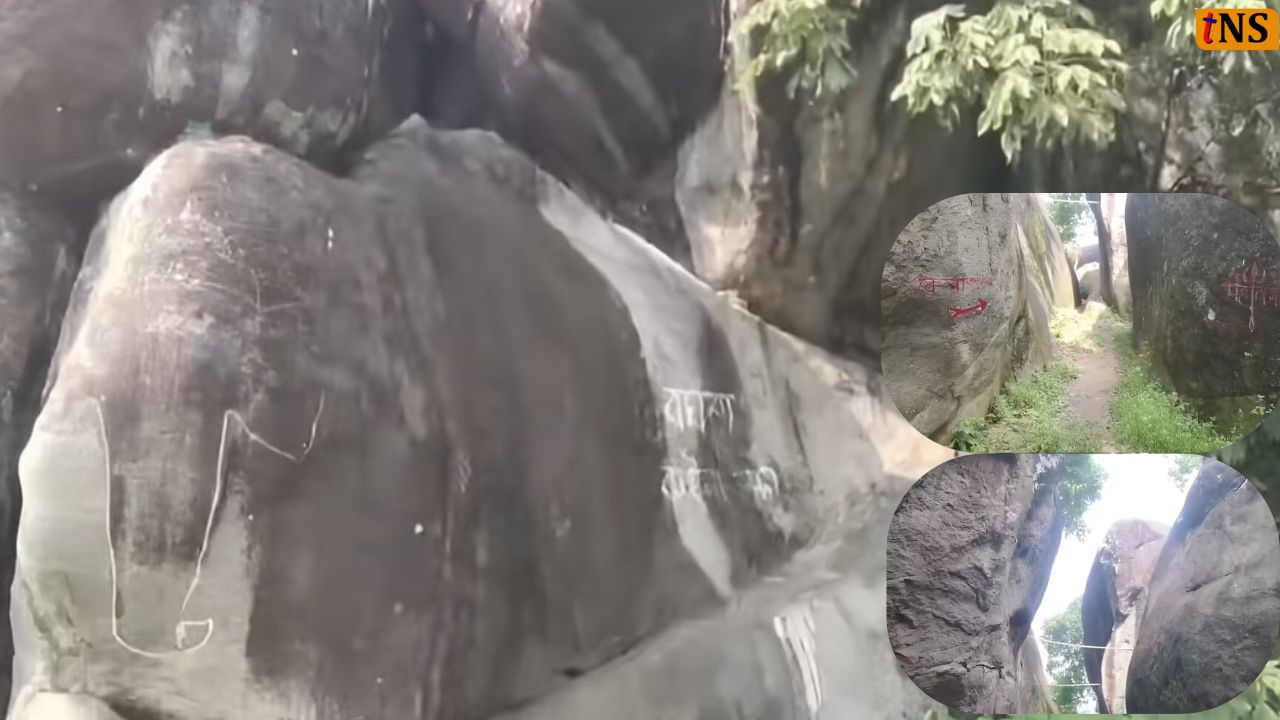
Saiful Islam, Morigaon: Among the many places in Assam that are steeped in history and folk belief, one of the most notable sites is the Koina Konda Stone located on Baghara Hill in the Morigaon district (Koina Konda Stone legend). This site is a rare blend of natural beauty and mysterious legends, making it a prominent attraction for tourists and historians alike.
The Mystery of Baghara Hill
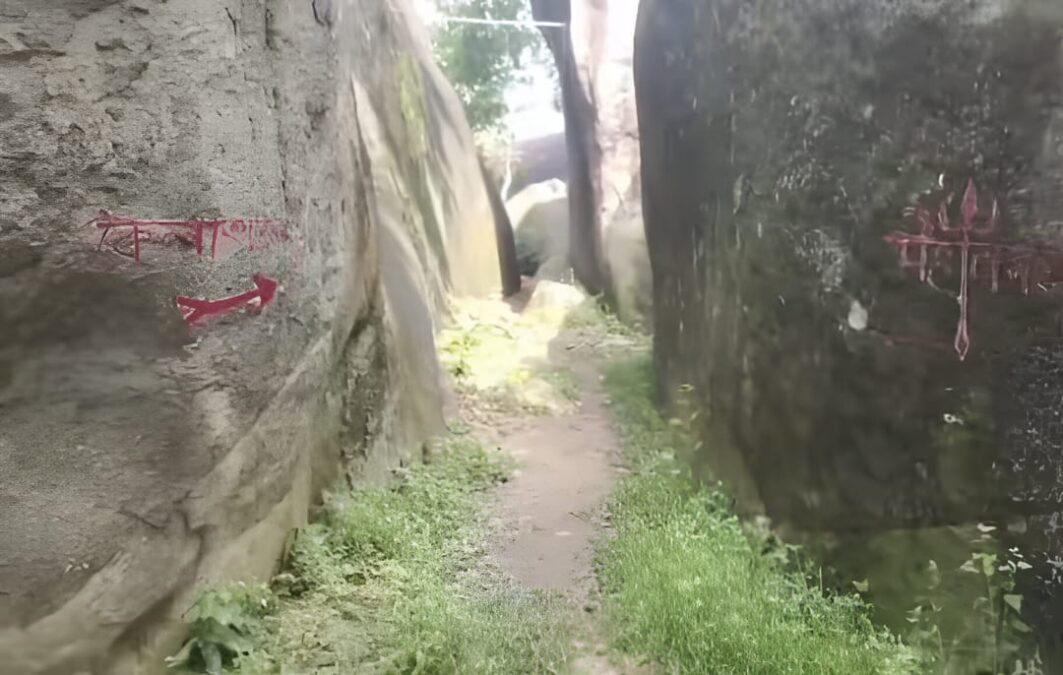
Baghara Hill is situated just 6 to 7 kilometers northwest of Morigaon town. Surrounded by lush green forests and a serene atmosphere, the hill is home to an accursed shila-khonda (stone fragment) known as the Koina Konda Stone. This site is deeply linked to the unwritten histories of the ancient Baghara and Mayong kingdoms, which once existed within the Tiwa community’s Gobha kingdom.
To uncover the truth behind the mystery, journalists from The News Source visited Baghara Hill to study the site and interview local residents. The people of the nearby area shared a tragic account that has been passed down through generations.
A Royal Romance and the Sagra Misawa
According to local belief, these kingdoms once faced frequent disturbances from wild elephants. On royal orders, the people would often hunt or drive away these elephants using bows and arrows. It was during this era that Princess Brindabani of the Baghara kingdom and Prince Sagra of the Mayong kingdom grew close while participating in the Mishwa festival. Through the dance and song of the festival, the grace of their movements and the language of their eyes expressed a deep, unspoken bond.
When their love became known, King Devsingh of Baghara and King Jyoti Singh of Mayong discussed the matter and fixed the marriage for the month of Bohag. Joy spread among the people of both kingdoms as the royal wedding commenced.
The Tragedy: A Wedding Party Buried Alive
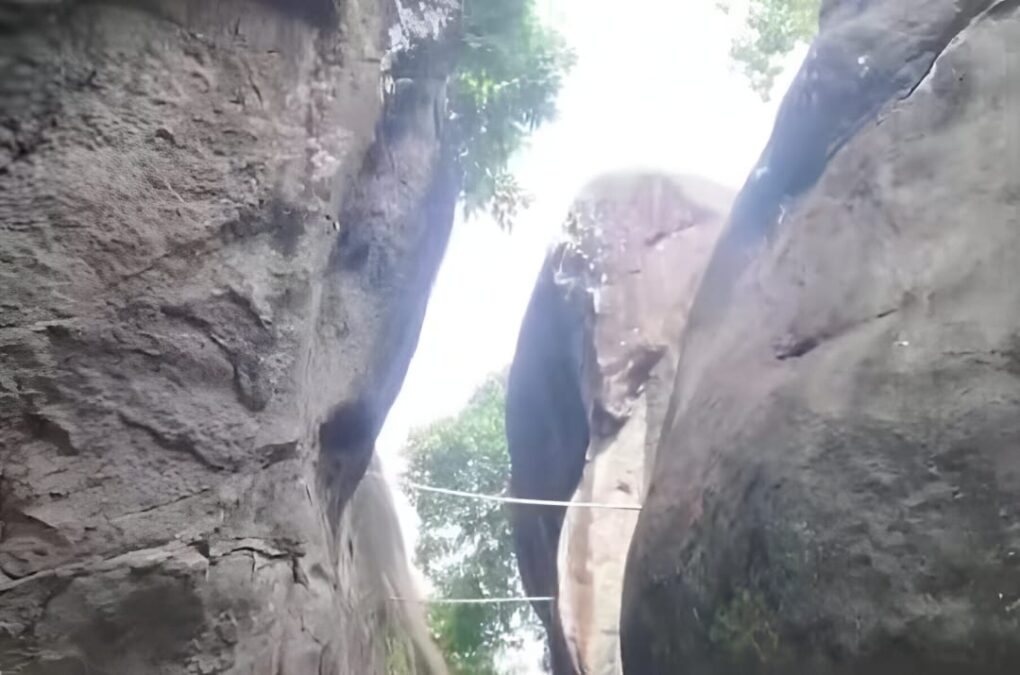
The marriage took place, and the bride was formally given away. However, as the bride, groom, and the wedding procession were returning to the groom’s home, a severe storm and heavy rain suddenly broke out. Seeking refuge, the entire wedding party took shelter inside a cave on the hillside.
Tragedy struck when violent tremors began. The earthquake caused massive rocks to loosen from the hill, collapsing and trapping everyone inside. Crushed by the falling boulders, the bride, the groom, and their followers were buried alive within the cave.
The Echoes of a Curse
Wails of grief echoed through both kingdoms. Since that day, residents living near Baghara Hill claim that on silent Saturday and Tuesday nights, the mournful cries of the prince and princess can still be heard coming from the stone. Consequently, the site became known as the “accursed” or supernatural Koina Konda Stone (The Stone of the Crying Bride).
For many years, a tradition persisted where newlywed brides would visit the stone on the eve of their wedding to offer betel nut and betel leaf (Tamul-Paan) as a mark of reverence. While this tradition eventually disappeared, the physical remnants of the legend remain visible in the rock formations:
Koina Stone: Representing the bride.
Hati Stone: Resembling an elephant.
Doba Stone: Shaped like a traditional drum.
Dola Stone: Resembling a palanquin.
Kah Stone: Shaped like a bell-metal plate.
Today, the Koina Konda Stone remains one of Assam’s most fascinating historical and natural sites, drawing visitors from across the state and various countries who wish to witness the scenic beauty and hear the echoes of its mysterious past.
A Trade of Trust: The Silent Economy of Jonbeel Mela