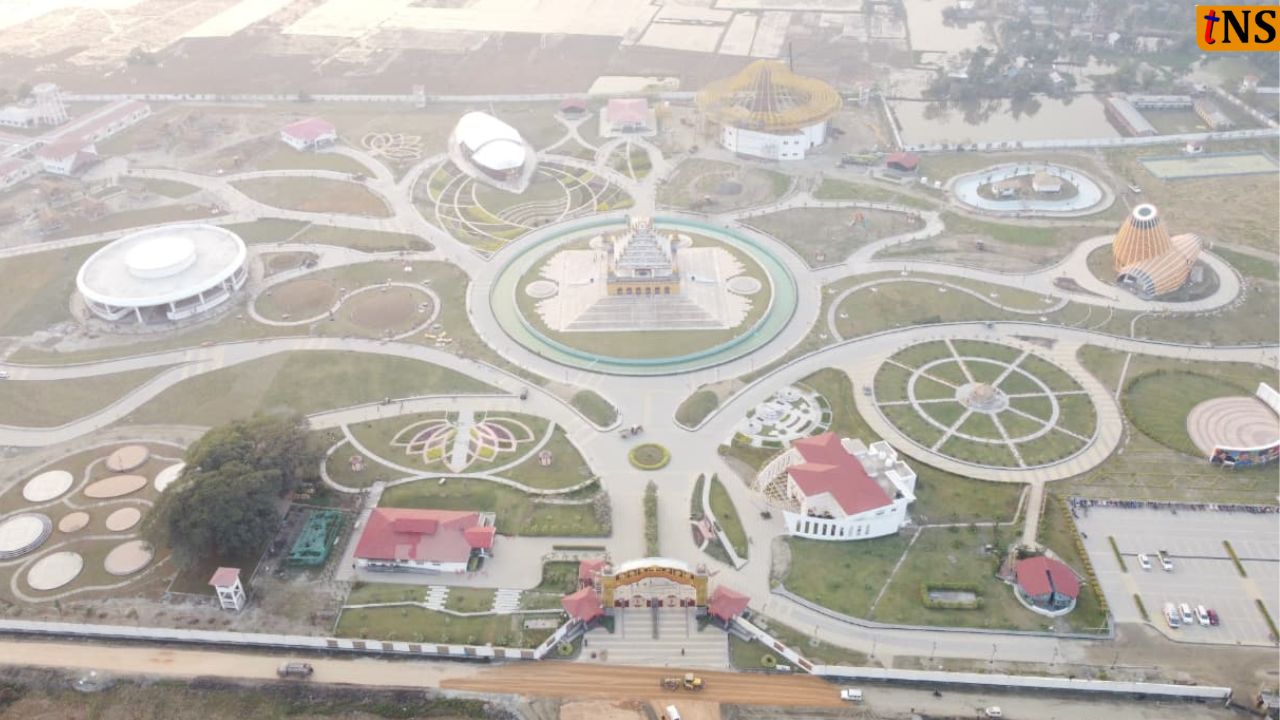
NAGAON: In a significant step toward transforming the birthplace of Mahapurush Srimanta Sankardeva into a global hub for international tourism, the Batadrava Cultural Project—also known as Abirbhav Kshetra—is officially opening its gates to the public on February 1 (Batadrava Cultural Project). The Assam state government envisions this ambitious site as a bridge connecting the legendary legacy of the saint-reformer with the modern world. However, the experience comes with a mandate: visitors must adhere to a strict new code of conduct or face financial penalties.
The Journey from Inauguration to Public Opening
While the central project was formally inaugurated by Union Home Minister Amit Shah on December 29, 2025, it did not open for general visits immediately. Built with an investment of approximately ₹222.54 crore, the site required a brief “cooling-off” period.
The delay was twofold. First, minor construction details needed completion. Second, the massive surge of crowds during the inauguration led to disarray in the newly landscaped gardens. Consequently, the authorities took one month to restore the Abirbhav Kshetra to its pristine state. According to a notice from the Nagaon District Administration, the restoration is now complete and ready for the public.
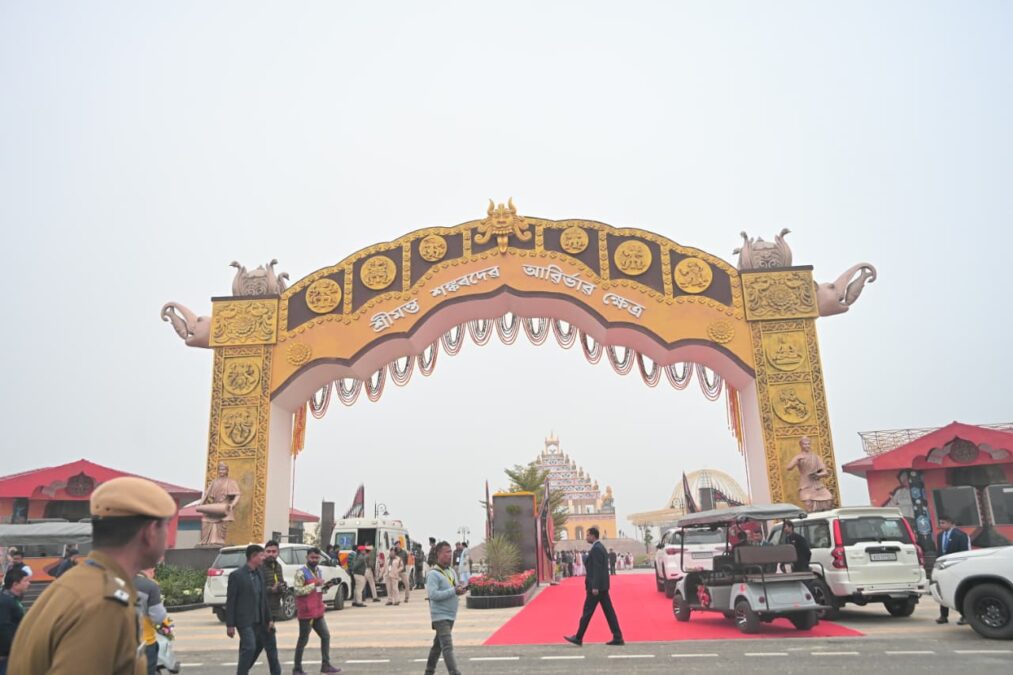
Strategic Governance and “Aerial” Architecture
The management of this expansive complex has been handed over to the Srimanta Sankaradeva Kalakshetra in Guwahati. Chief Minister Dr. Himanta Biswa Sarma confirmed this administrative shift during a local visit several months ago. Spanning a massive 165 bighas of land, the project’s layout is a masterpiece of symbolic engineering:
The Master Plan: Designed by Mahindra Consulting Engineers, the project resembles a Banyan tree when viewed from above.
Land Allocation: 135 bighas are located in Batadrava’s Saru Hisa, with over 30 bighas in Bor Hisa and 45 bighas kept in reserve.
Iconic Structures: The central meditation hall, modeled after the Guru Asan, stands 25 meters high and 30 meters wide.
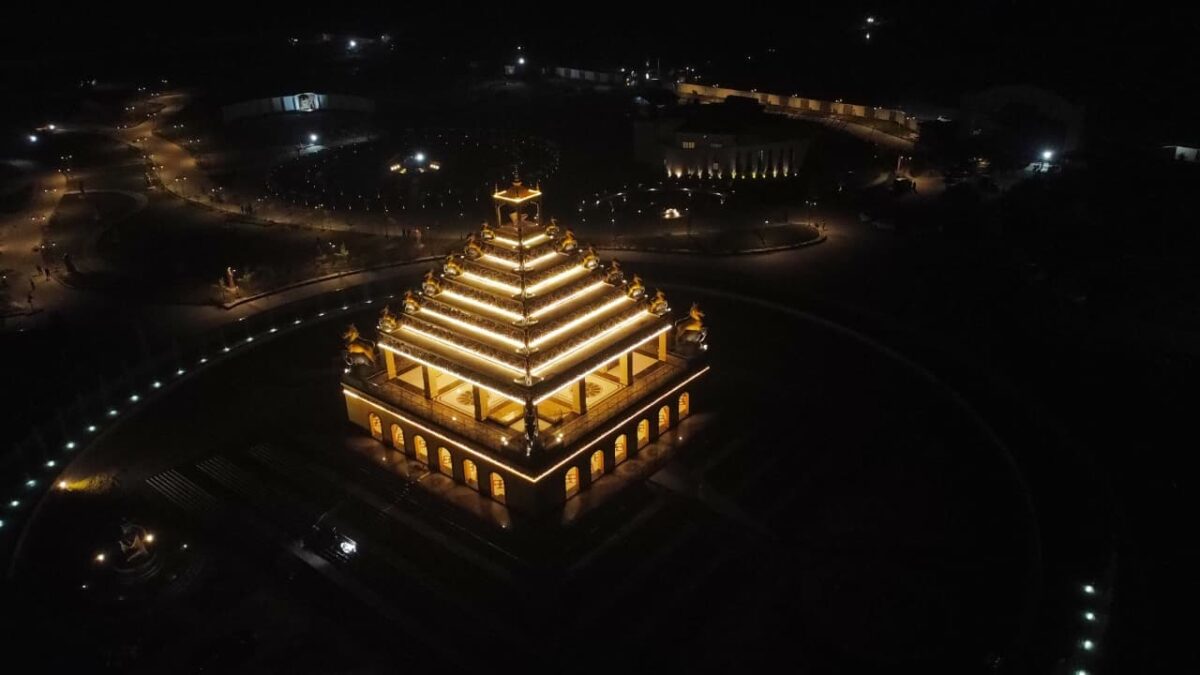
Symbolic Buildings: The administrative building (1048 sq. meters) is shaped like a Gayan-Bayan turban, while the skill development center takes the form of a Khol (drum). Other facilities include a snacks house, a guest house (Yatri Niwas), an auditorium shaped like a Bortal (cymbal), a children’s park, and a helipad.
Strict Guidelines and Penalty Structure
The Nagaon District Administration has warned that Abirbhav Kshetra is a place of sanctity. To maintain discipline, 17 rigorous rules have been implemented.
The 17 Rules of Conduct:
Timing: Visiting hours are from 10:00 AM to 06:00 PM.
Vehicles: Entry of all vehicles is strictly prohibited.
Food: No outside food items allowed inside.
Substances: Smoking, intoxicants, betel nut, pan masala, and gutkha are banned.
Dress Code: Priority entry for those in traditional attire.
Belongings: Visitors are responsible for their own items; authorities are not liable for losses.
Queues: Entry must be through designated gates in an orderly queue.
Littering: Throwing garbage is prohibited; dustbins must be used.
Property: Any damage to the premises will lead to legal action.
Decorum: Silence, decency, and discipline must be maintained.
Noise: Loud talking, commotion, or indecent behavior is prohibited.
Spitting: Spitting of any kind is strictly forbidden.
Nature: Plucking flowers or damaging trees/plants is prohibited.
Sanitation: Only designated toilets must be used.
Respect: Objectionable comments against any religious belief are banned.
Language: Mockery, ridicule, or disrespectful language will not be tolerated.
Environment: Any behavior disturbing the environment is strictly prohibited.
Penalty for Violations:
Rs- 1,000 Fine: For littering, damaging plants, hurting religious sentiments, or failing to use designated toilets.
Rs-5,000 Fine: For the use of tobacco, intoxicants, betel nut, pan masala, or gutkha.
A Living Museum of Sankari Culture
The project is designed to be more than just stone and mortar. It will serve as a vibrant center for Mask-making (Mukha Shilpa), national-level seminars, and workshops for Sattriya dance, Borgeet, and Ankiya Bhaona. By showcasing the diverse elements of the Guru’s life, the project aims to preserve the spiritual and cultural fabric of Assam for future generations.
As the morning of February 1 approaches, the stone paths of Batadrava stand ready. The project now awaits the first footsteps of those coming to witness the international transformation of Srimanta Sankardeva’s sacred.
National Philosophical Conclave Unites Shankara and Sankardeva’s Thought at Batadrava